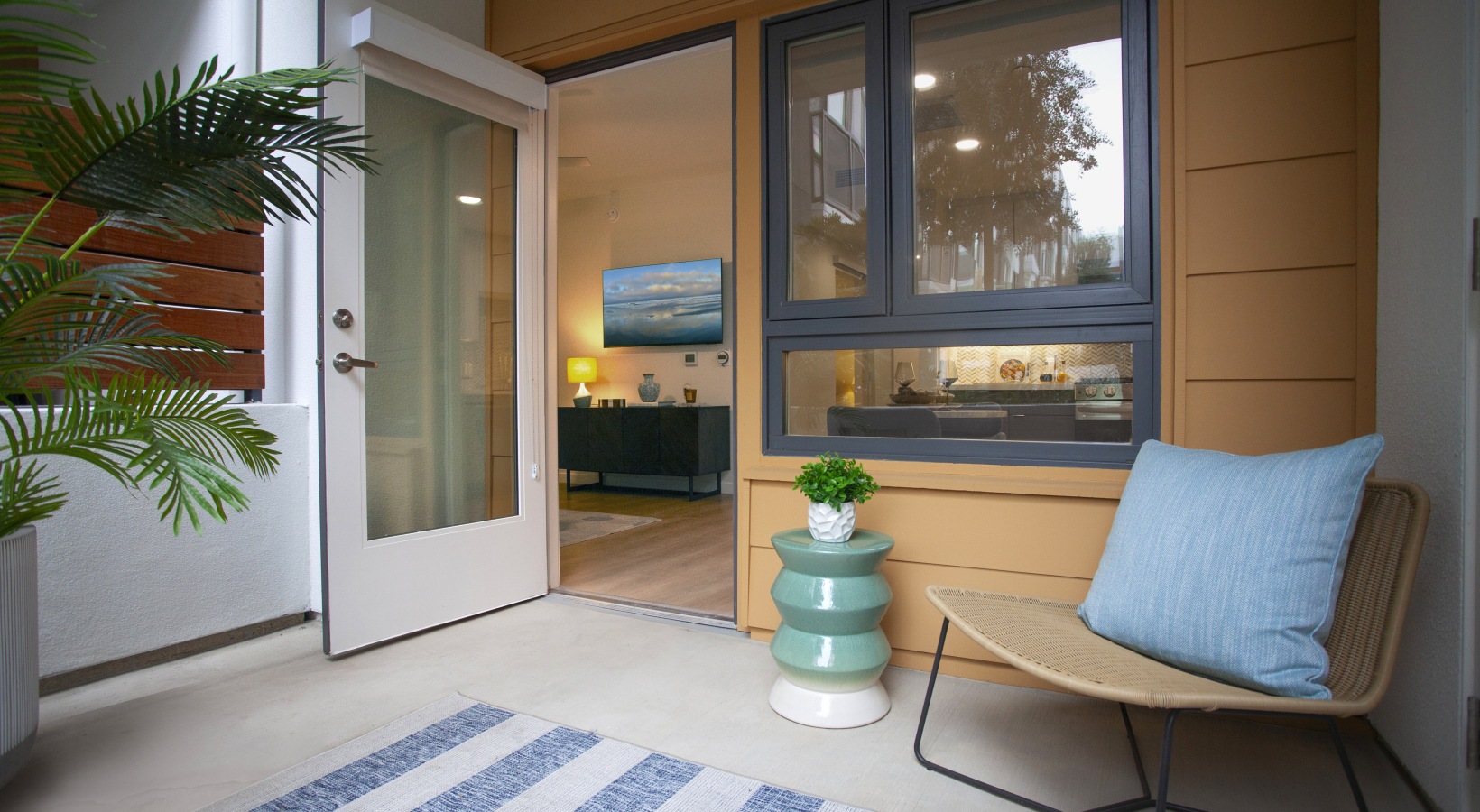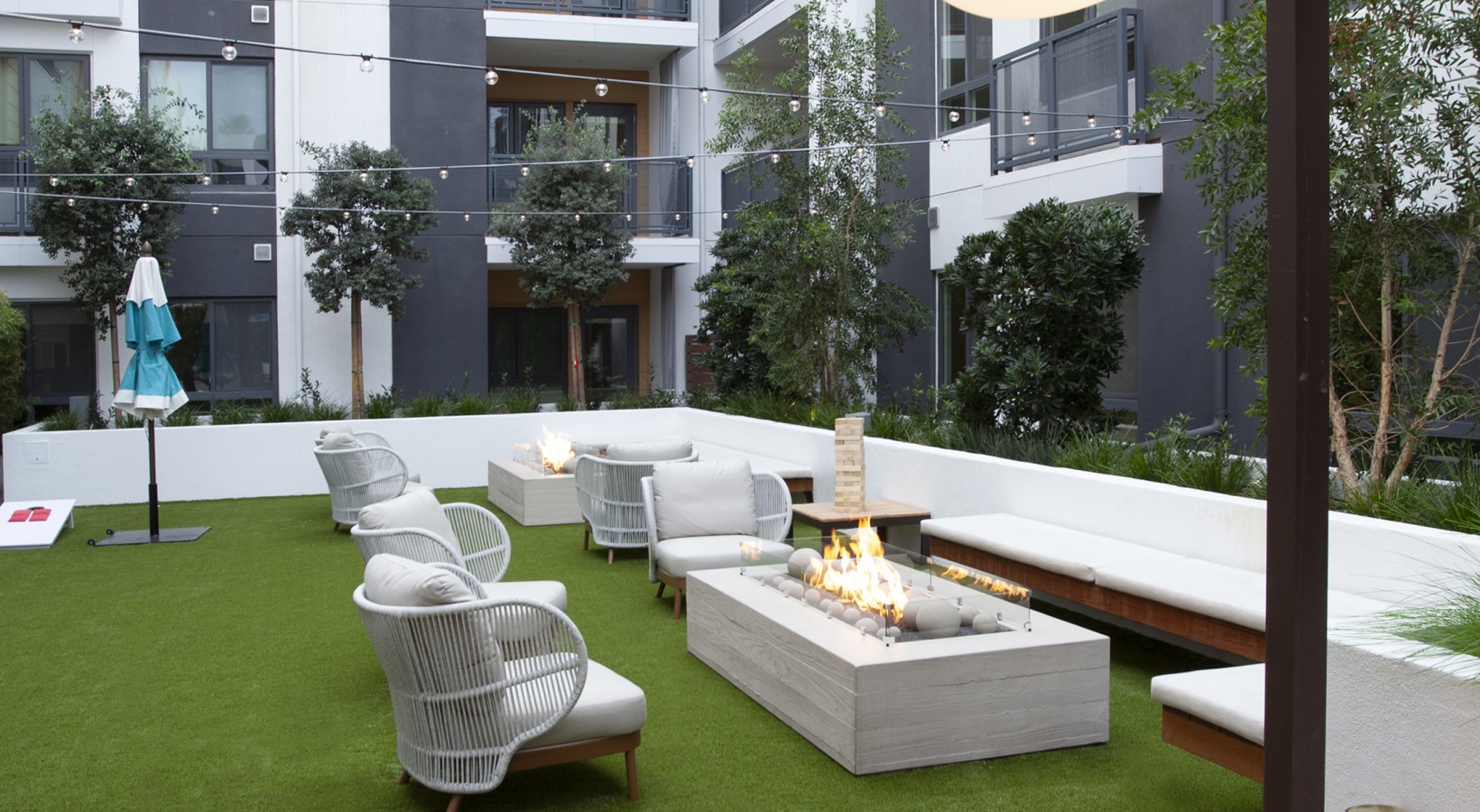


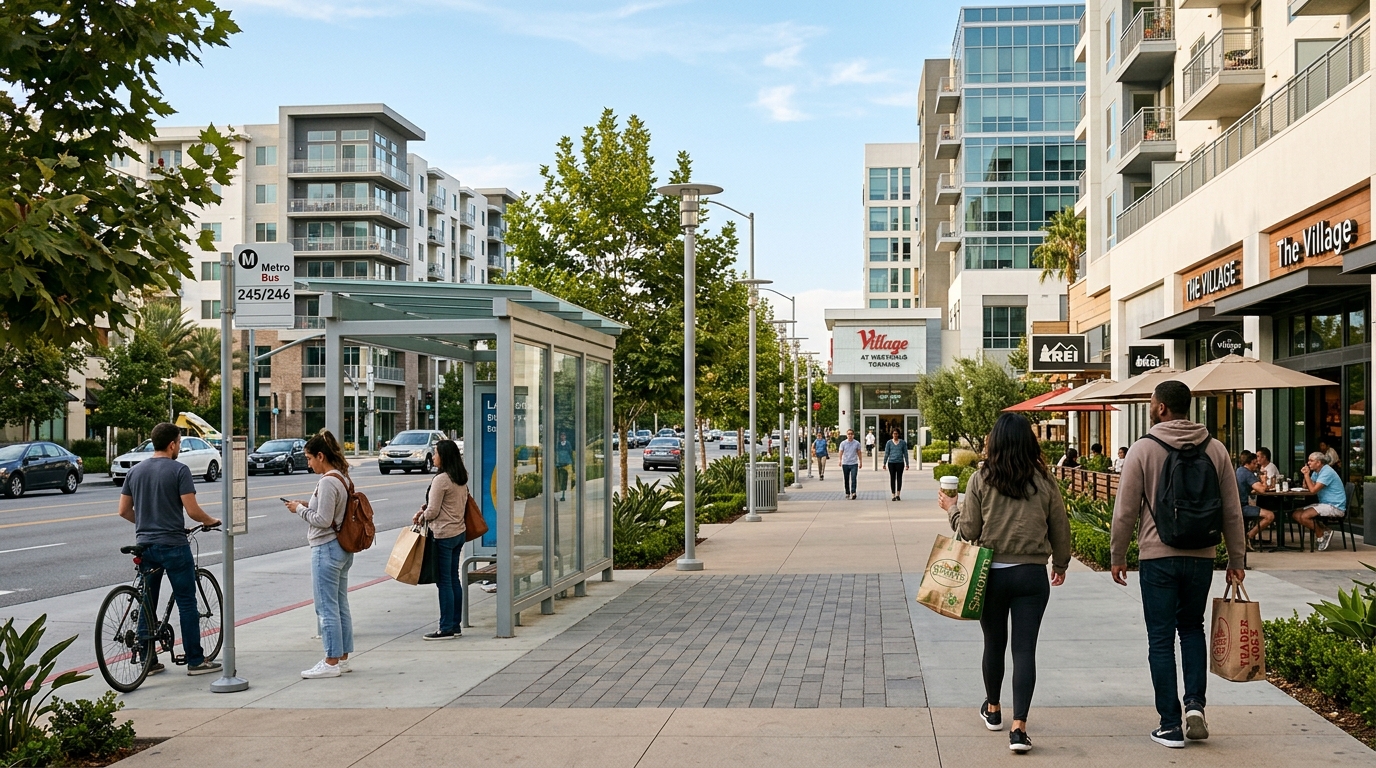
Some parts of LA make reduced car dependence more realistic than others. Warner Center and Woodland Hills stand out because shopping, dining, entertainment, bus access, and daily essentials are more concentrated than in many parts of the city.
That does not mean everyone can live without a car here. Your work location, schedule, grocery habits, and comfort with public transportation all matter.
For renters comparing modern apartment living near Warner Center, the real question is not whether Los Angeles is fully car-free. It is whether your daily route can work with walking, bus service, rideshare, biking, and occasional car access.
Quick Answer: Can You Live Near Warner Center Without a Car?
Yes, for some renters, it is possible to live near Warner Center without a car, especially if daily routines stay within Woodland Hills and nearby areas.
Bus routes, public transit connections, rideshare apps, grocery access, and walkable entertainment can make the area more manageable than many parts of Los Angeles.
Still, fully car-free living depends on where you work, how often you travel, and how comfortable you are planning around transit. For many renters, a reduced-car lifestyle may be more realistic than never using a car at all.
Why Some LA Areas Are Easier Without a Car
Not every Los Angeles area offers the same level of convenience for renters trying to reduce driving.
Some places are spread out, residential, or disconnected from daily errands. Others have shopping, dining, bus stops, and services located closer together, which makes everyday life easier without relying on a car for every trip.
What Makes an Area More Manageable
- Walkable errands: Grocery stores, cafés, and services are easier to reach.
- Bus access: A nearby route can make daily travel more realistic.
- Mixed-use surroundings: Dining, retail, and housing are closer together.
- Rideshare availability: Uber or Lyft can fill gaps when transit is limited.
- Flexible routines: Remote or hybrid schedules reduce travel pressure.
- Parking alternatives: Delivery, biking, and shared rides can reduce car use.
Warner Center is not the same as living in Downtown Los Angeles or Hollywood. It is still part of a car-oriented city.
But compared with more spread-out areas, this part of the Valley can be easier for renters who want a practical place to live with less daily driving.
For a broader overview, review this guide to living near Warner Center in Los Angeles.
Walkability and Daily Errands Near Warner Center
One reason this area is more manageable without a car is because many daily needs are located relatively close together.
Depending on your exact address, you may be able to reach groceries, restaurants, coffee shops, fitness studios, retail, and entertainment options with shorter trips. That makes a big difference in Los Angeles, where even simple errands can become time-consuming.
Daily Needs To Think About
- Grocery access: Check whether your preferred store is walkable or delivery-friendly.
- Restaurants and cafés: Nearby dining makes weeknight plans easier.
- Fitness options: On-site or nearby fitness access can reduce extra travel.
- Topanga-area retail: Shopping access can support errands and weekend plans.
- Walking comfort: Sidewalks, crossings, shade, and traffic all affect daily walks.
- Distance in miles: A place may look close on a map but feel different on foot.
Walkability is highly address-specific.
Before signing a lease, test the route to groceries, coffee, and bus stops during the time of day you would actually go.
Home features can also reduce driving needs. If you value convenience close to home, compare apartment and community amenities designed for convenience.
Bus, Transit, and Station Access in Warner Center
Public transportation near Warner Center is more practical than many suburban-style parts of Los Angeles, though it still requires planning.
The area is served by bus routes and regional transit connections. The Metro G Line, formerly known as the Orange Line, is a bus rapid transit route that runs through the San Fernando Valley and connects riders toward North Hollywood.
From North Hollywood, riders can connect to a subway route for parts of Los Angeles, including Hollywood and other central destinations.
Transit Factors To Compare
- Bus route: Check which route serves your home and destination.
- Station access: Consider how far you are from the nearest stop or station.
- Public transit connections: Some trips may require transfers.
- Train or subway access: Rail trips may require reaching North Hollywood first.
- TAP card use: A ticket or TAP card can simplify fare payment.
- Transfer time: A simple trip on a map may take longer in real life.
- Evening service: Late rides may require extra planning or rideshare backup.
Transit can work well for some routines.
It may feel less convenient if your travel involves multiple transfers, late-night trips, or destinations far outside the Valley.
Can You Get Around Woodland Hills Without a Car?
You can get around parts of Woodland Hills without a car, but the experience depends on your exact location and daily habits.
Short trips to coffee, groceries, restaurants, or retail may be possible on foot, by bike, or by bus. Longer trips may require rideshare, delivery, or occasional car access.
Questions To Ask Before Moving
- Where do you work? A Valley-based job may be easier than a cross-city route.
- Do you work remotely? Remote and hybrid schedules reduce daily travel pressure.
- How many transfers are needed? More transfers usually mean more planning.
- What time do you travel? Morning, late night, and weekend trips can feel different.
- Would rideshare fill gaps? Uber or Lyft may help with harder-to-reach places.
- How often do you travel far? Long Beach, LAX, or Hollywood may need extra planning.
For renters whose routine is centered around Woodland Hills, Warner Center, or nearby Valley destinations, low-car living can feel more manageable.
For a stronger lifestyle view, explore what it means to discover Warner Center living.
When Renters Still May Want Occasional Car Access
Even renters who mostly live without a car in Los Angeles may still use rideshare services, rentals, or borrowed vehicles from time to time.
That is not a failure of car-free living. In LA, it can simply be part of a flexible transportation plan.
Times a Car May Still Help
- Weekend trips: Beaches, hiking areas, or longer day trips may be easier by car.
- LAX travel: Airport trips can be simpler with rideshare or a planned ride.
- Large grocery runs: Bigger shopping trips may be easier with a vehicle.
- Late-night transportation: Transit may be less convenient after certain hours.
- Hard-to-reach destinations: Some LA areas are not easy to reach by bus or train.
- Time-sensitive errands: The quickest option may sometimes be a ride.
A car-free routine near Warner Center may still involve Uber, Lyft, delivery services, or occasional rentals.
The goal is to reduce daily car dependence, not pretend every trip is equally easy without one.
Who Can Realistically Live Without a Car Near Warner Center?
Living without a car near Warner Center tends to work best for renters with flexible schedules, remote jobs, or routines centered around Woodland Hills and nearby areas.
It can also work for people who are comfortable walking, biking, using public transportation, and planning errands more intentionally.
Best Fit For
- Remote workers: Fewer daily trips make car-free living easier.
- Hybrid workers: Occasional office visits may be easier to plan.
- Students: A predictable schedule can make bus and rideshare use more manageable.
- Walkable-routine renters: People who keep errands close to home may adjust well.
- Transit-comfortable renters: Bus and Metro use should feel realistic, not stressful.
- Bike users: Shorter trips may be easier with the right route and storage.
- Convenience-focused renters: Nearby shops, dining, and services can reduce driving needs.
For renters who want Valley access with more daily convenience, apartments near Warner Center and Woodland Hills may be worth comparing.
The better your routine fits the area, the easier it is to live with fewer car trips.
Home Features That Make Car-Free Living Easier
Location and community features can significantly affect how manageable life without a car feels in Los Angeles.
The right home can reduce how often you need to leave for errands, fitness, work, packages, or basic services. This is especially helpful for renters trying to avoid the hassle of daily driving or parking.
Features That Help Reduce Driving
- Work-from-home spaces: Helpful for remote or hybrid workdays.
- Fitness center: Reduces the need to travel to a separate gym.
- Package systems: Makes online shopping easier to manage.
- Nearby bus access: Helps connect renters to work and errands.
- Walkable surroundings: Makes coffee, dining, and essentials easier.
- Bike storage: Useful for renters who bike short distances.
- On-site amenities: Shared spaces can reduce the need to leave home for every activity.
Floor plan choice also matters.
If you work from home, bike often, or rely on delivery, compare studio, one-bedroom, and two-bedroom floor plans near Warner Center based on storage, layout, and daily function.
Is Living Near Warner Center Without a Car Worth It?
For renters who prioritize convenience, walkability, and reduced driving stress, living near Warner Center without a car can be more realistic than in many other parts of Los Angeles.
It is still not effortless. Some trips will take longer. Some errands may require planning. Some destinations may still be easier with rideshare, delivery, or occasional car access.
The main advantage is that the area gives renters more local options close to home.
If your routine fits the neighborhood, reduced car dependence can save money, reduce parking stress, and make daily life feel simpler.
Explore Convenient Living Near Warner Center
For renters who want easier access to shopping, dining, bus routes, and daily conveniences, Warner Center and Woodland Hills offer a more manageable lifestyle compared to many parts of Los Angeles.
The area is not fully car-free, but it can support renters who want to drive less, walk more, use public transit when practical, and rely on local convenience.
If you are comparing rental options and want to understand whether the location fits your routine, you can connect with the leasing team to ask about availability, floor plans, amenities, and area access.
Frequently Asked Questions About Living Near Warner Center Without a Car
Is Warner Center one of the easier Los Angeles areas without a car?
Warner Center can be easier than many spread-out Los Angeles areas because shopping, dining, bus access, and daily services are more concentrated.
Still, the area is not fully car-free. Your exact address, route, and comfort with walking or transit matter.
Can you travel to downtown Los Angeles from Woodland Hills without a car?
Yes, it may be possible through a combination of bus routes, Metro connections, train or subway transfers, and rideshare when needed.
Travel time can be long, so renters should test the trip before signing a lease.
Are there grocery stores and restaurants within walking distance near Warner Center?
There may be grocery stores, restaurants, cafés, and retail options within walking distance depending on the exact location.
Renters should test routes on foot and consider delivery options for larger grocery trips.
Do renters still use Uber or Lyft if they live without a car?
Yes. Many renters who live without a car still use Uber, Lyft, delivery, or rentals for harder trips.
This may include LAX travel, late-night plans, beach trips, or large shopping runs.
Is public transportation reliable near Warner Center?
Public transportation can be useful near Warner Center, but reliability depends on route, time of day, transfers, and destination.
It works best when renters plan ahead and build flexibility into their schedule.
Who is most likely to succeed living car-free in Los Angeles?
Remote workers, hybrid workers, students, transit-comfortable renters, and people with area-centered routines are often better suited to car-free living.
People with long cross-city trips or frequent late-night travel may still want occasional car access.
Source / Accuracy Note
This guide was created to help renters evaluate whether living near Warner Center without a car is realistic using renter-focused planning, local transportation context, and neighborhood convenience considerations. Transit routes, schedules, rideshare availability, grocery access, parking policies, travel times, and rental availability can change, so renters should verify current details before making a leasing decision.